5 After-School Activities That Will Resonate With Your ASD Teen
Published on
January 12, 2026


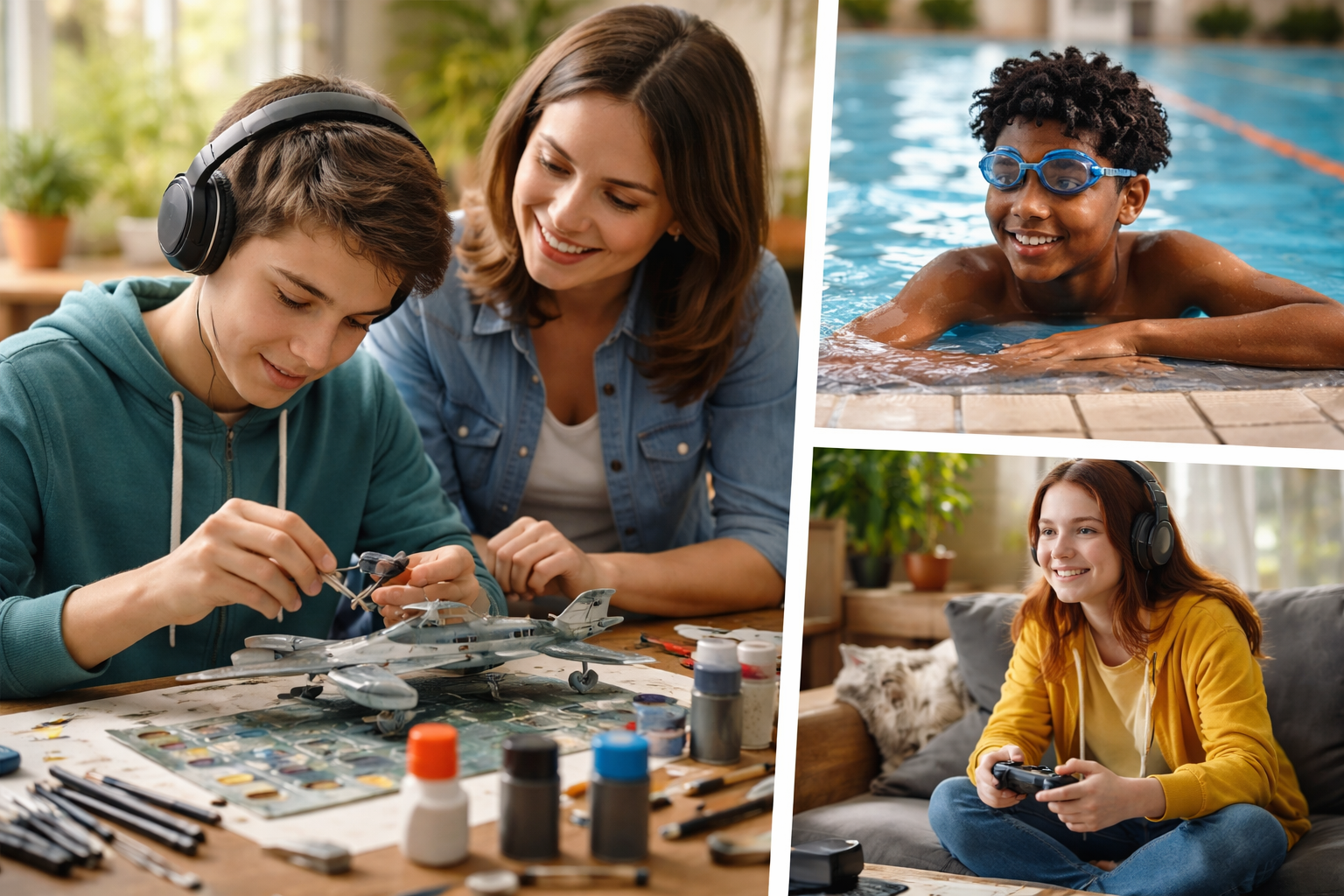
So you have hit the tween or teen years with your ASD-er. First, congratulations for making it this far. But now comes a new challenge: how do we fill those long after-school hours or vacation days when sensory bins, hyperfocused play, and soccer clubs no longer work?
Autistic teens still need structure and regulation, but they also need autonomy, dignity, and choice. As a mom navigating this stage myself, I am sharing what usually works for us. Not perfectly. Not every day. But often enough to keep my son (and his siblings) in check.
As kids grow into their teen years, the activities that worked so well in preschool and elementary school often fall flat. Teens are more aware of themselves, more opinionated, and less willing to participate in anything that feels forced or unnecessary. At the same time, emotional regulation, flexibility, and social energy can still be hard.
At Shining Steps ABA, we see this pattern every day. The biggest shifts don’t come from pushing kids harder. They come from meeting them where they are. When an activity fits a teen’s interests and unique nervous system, things tend to go more smoothly.
Many well-meaning programs focus on socializing first. For autistic teens, that can feel exhausting. Engagement is usually stronger when activities are familiar and connected to what they already enjoy rather than another structured group or parent-led ‘class.’
Below are Missouri based, teen friendly ideas to help your family fill afternoons, weekends, and vacation days with less stress, fewer power struggles, and more genuine connection.
These are predictable, low-pressure places autistic teens can tolerate and often enjoy returning to regularly. They are especially helpful during school breaks or long weekends. Siblings can usually come along as long as your teen is comfortable.
For our family, hobby shops have been a consistent win. My son loves model cars. Browsing weekly for a new find and building it together at home gives us an outing, structured activity, and a mutual connection point that doesn’t feel forced.
Why this Works For Teens:
Familiar spaces reduce cognitive load and support independence without isolation.
Missouri Locations to Try:
St Louis Public Library, Kansas City Public Library, Arch Reactor Makerspace (St. Louis), WeCode KC, Mark Twain Hobby Center, Hobby Town (Springfield/Kansas City) Prospectors Crystals & Rocks (High Ridge)
Physical activity remains one of the most effective regulation tools for autistic teens, especially when it is structured and predictable. Team sports are not required. Many teens do better with individual or parallel movement.
My son loves nightly YouTube workouts, especially when we do it together. Other teens prefer to be alone or with a like-minded peer. Follow their preference and build movement into the routine. Many fellow ASD-parents agree their kids are far more balanced when they move.
Why this Works For Teens:
Daily movement regulates, inspires healthy habits, and can be a helpful sleep aid.
Missouri Locations to Try:
Carondelet Park Rec Complex (St. Louis) Pat Jones YMCA (Springfield) Chesterfield YMCA, Gracie Barra Martial Arts Centre, Rock Climbing, Trampoline Parks, Missouri Trails.
Replace open-ended “keep busy” expectations with projects that have clear goals and completion points. Preparing materials or ingredients ahead can help, especially if sequencing is challenging. Projects can be collaborative, competitive, or quiet depending on preferences.
Why this Works For Teens:
Defined goals and visible progress enhance motivation and reduce frustration.
Screens are not the enemy. Unstructured, endless screen time is.
When digital activities are intentional, time-limited, and interest-based, they can be regulating and connecting rather than isolating. When I sit alongside my son, ask how his games work, or watch something together, we find solid connection points that don’t feel like plain screen time.
Why this Works For Teens:
Tech with boundaries gives teens a predictable way to stay regulated and focus on their interests.
Purposeful activity often fills long days better than entertainment alone. Many autistic teens thrive with small, time-specific responsibilities that build confidence and predictability.
My child prefers being home, so we focus on short tasks like reading to a younger sibling, helping unpack groceries, organizing shoes, or assisting with homework.
Missouri Options:
Magic House, Youth Volunteer Corps, St. Louis Volunteer Guide, Humane Society.
Why this Works for Teens:
Responsibility anchors routine, builds executive function and reduces boredom-driven dysregulation.
Your goal as a parent is not to keep your ASD child constantly entertained. Rather, aim to provide structure, meaningful choice, and opportunities for competence. Some days will work beautifully, others will not, and that is perfectly normal. I have found even just 20–30 minutes of building, cooking, or reading together can transform a frustrating afternoon into a fun and connective experience, and helps repair tension after (inevitable) fights or meltdowns, When activities align with your child’s unique needs and abilities, engagement follows more naturally and connection happens along the way. But you don’t have to navigate this alone.
At Shining Steps ABA, we support families through every developmental stage, including the (often) challenging teen years. If you are looking for individualized support, transition planning, or guidance tailored to your child, our team is here to help. Contact Shining Steps to learn how we can support your family with compassionate, evidence-based care.
References:
Autism Speaks – Recreation & Activity Ideas
https://www.autismspeaks.org/activities-kids-autism Autism Speaks
Autism Speaks – Virtual Interactive Activities
https://www.autismspeaks.org/virtual-activities-kids-autism Autism Speaks
Autism UK – Resources for Autistic Teenagers
https://www.autism.org.uk/advice-and-guidance/topics/resources-for-autistic-teenagers National Autistic Society
Child Mind Institute – Support for Neurodiverse Kids
https://childmind.org/article/how-schools-can-support-neurodiverse-students/
(All Missouri resources/references are hyperlinked in-text for your convenience.)