How to Spot Hidden Red Flags in Your Child’s ABA Therapy
Published on
August 31, 2026



ABA itself is not inherently harmful. The quality of treatment determines whether the therapy is successful or harmful. If your child regresses or you feel uncomfortable with how therapy is being delivered, this does not mean ABA itself is the problem. You may have a bad ABA therapist.
As a mom of an autistic child who’s watched and interacted with dozens of therapists, I’ve learned how to spot red flags in an ABA therapist that are hard to identify. Some red flags are easier to spot. These are the ones I call “clinical red flags”. Others creep up as subtle niggling feelings that you can’t always place. Those, I call “character red flags”.
Clinical red flags concern how therapy is delivered. I broke it down to five major red flags that require attention.
Bad ABA prioritizes compliance over meaningful skill development, and places demands beyond your child’s current abilities. Good ABA focuses on building skills that help them communicate, stay safe, and become more independent.
What to look for:
Bad ABA relies on yelling, unnecessary physical force, threats, or other coercive tactics. (1) Good ABA uses appropriate prompting, reinforcement, and support to help your child learn the skill.
What to look for:
Bad ABA excludes parents from treatment decisions or dismisses their feedback. Good ABA involves parents in treatment decisions, goal setting, and progress monitoring.
What to look for:
Bad ABA relies on a one-size-fits-all treatment plan that is not tailored to your child's skill level and preferences. Good ABA considers each child’s strengths, needs, interests, preferences, challenges, and goals. (2)
What to look for:
A bad ABA therapist struggles to explain what they are doing, why they chose it, and how they will know whether it is working. A good ABA therapist understands the intervention and can explain each step of the process.
What to look for:
“Character red flags” is the term I use for warning signs that reflect on the ABA therapist’s character, rather than on how the therapy is being done.
After interacting with many ABA therapists, I have learned to look for five qualities. In my experience, therapists with these qualities helped my child make progress, while therapists who lacked them were less effective.
Five qualities to look for:
A good ABA therapist enjoys their job and is pleasant to work with. They’re friendly, engaged, and positive.
What goodwill looks like:
Working with autistic children often requires patience. A good ABA therapist remains calm and persistent when a session becomes difficult.
What patience looks like:
A good ABA therapist builds trust through honesty and responsibility.
What trustworthiness looks like:
A good ABA therapist looks for better ways to support your child. They welcome relevant feedback and new information.
What growthful looks like:
A good ABA therapist takes responsibility and admits mistakes. A therapist who refuses to acknowledge mistakes may struggle to provide effective care for your child.
What humility looks like:
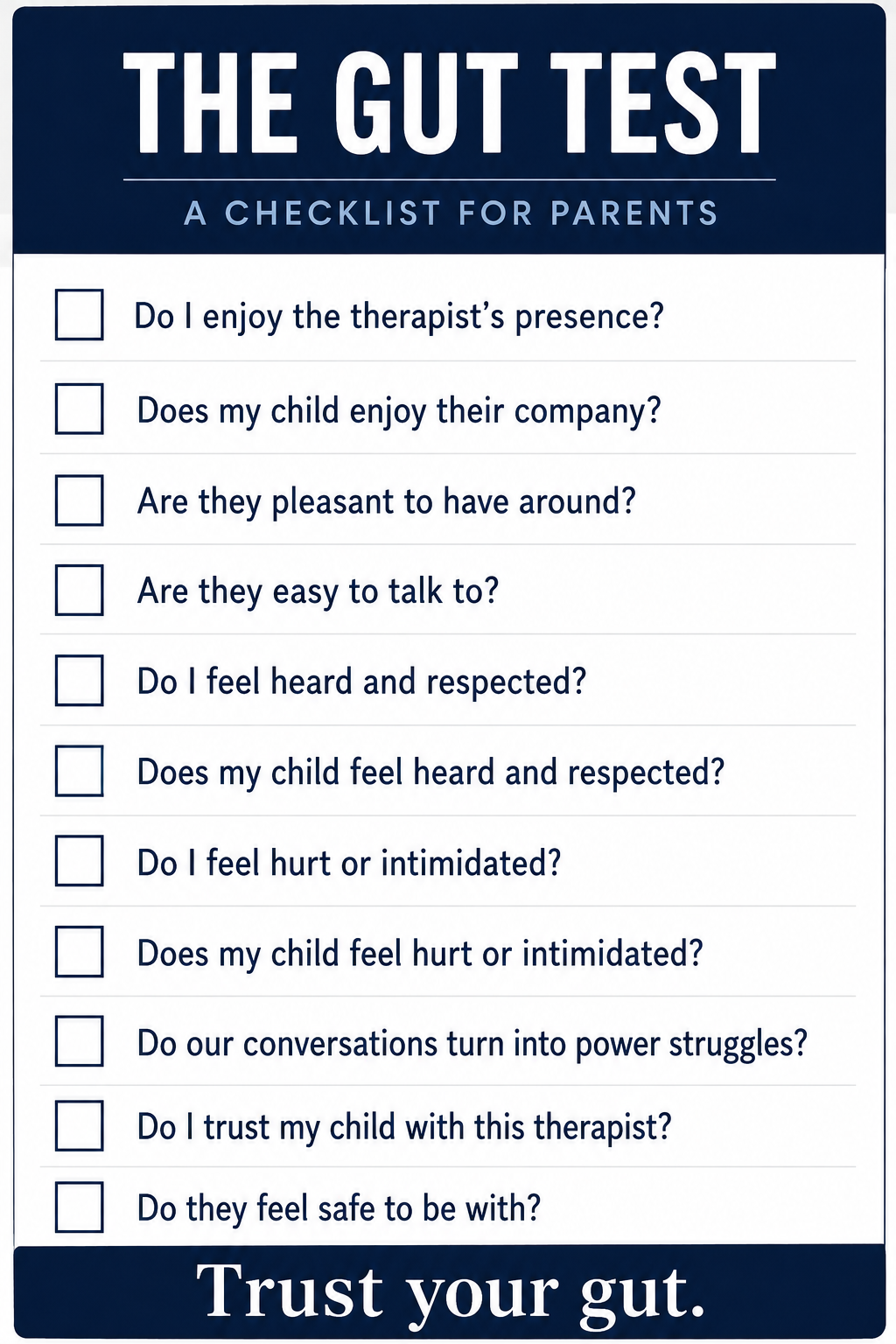
I use what I call the “gut test” to spot “character red flags”. Sometimes you cannot point to one major problem, yet something still feels off. It’s time to ask yourself the following questions:
If you repeatedly answer several of these questions negatively, pay attention. Don’t dismiss gut feelings that crop up consistently. In my experience, persistent concerns or “gut feelings” often pointed toward red flags.
Before taking action, take a minute to think it through. Talk to someone you trust and ask for another perspective, such as your spouse or a close friend. Talk to the therapist about your concerns. Many times “red flags” are small misunderstandings that a direct conversation can resolve.
As a young mom with little experience working with therapists, I’ve made this mistake before.
Before assuming the worst:
If the concerns persist after you raise them, contact your provider and ask about changing therapists. Look for a therapist who listens, treats you and your child with respect, and sincerely cares about helping them progress.
Shining Steps provides quality therapy through therapists who combine clinical skill with genuine warmth. Have questions or concerns? We’re here to help.
Quality ABA therapy depends on how it’s delivered and who delivers it. Watch for these red flags in how the therapy is delivered: Prioritizing compliance over skills, using punitive methods, excluding parents, relying on one-size-fits-all treatment, and therapists who lack a strong understanding of ABA
A lack of goodwill, patience, trustworthiness, growth, and humility in an ABA therapist signals red flags in who delivers the therapy. The “gut test” can help to spot red flags that are hard to identify.