Where to Go in Kansas City When Your Autistic Child Needs a Break
Published on
December 14, 2025
Summary: Discover five calm and welcoming places in Kansas City to use as safe retreats when your child is overwhelmed or acting up.
I’m sure it happens that when you’re spending time with your child who is on the autism spectrum, you notice signs of overload, agitation or acting up. Having a reliable “safe spot” in your back pocket can make all the difference. These are places where you, your child, and your family can catch a breath and regroup. Below are five such spots around Kansas City, and why each can work well.
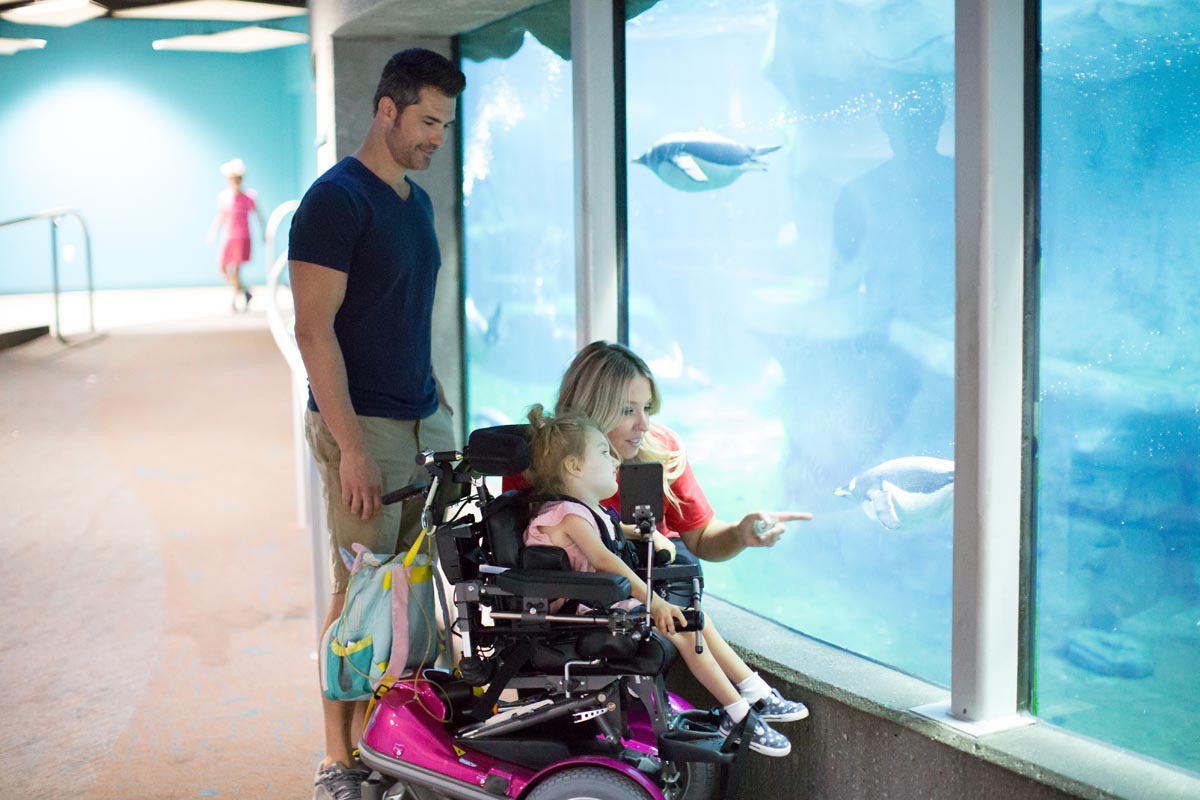
The zoo offers sensory-friendly accommodations including checkout sensory bags with noise-canceling headphones and weighted lap pads.
There is a dedicated play‐area (the “Variety KC Exploration Play” zone) designed for children with special needs, which provides a more controlled environment.
It’s outdoors, with space to move, which helps when a child needs to release energy rather than stay confined.
How to use it:
Before a visit, find the Guest Relations desk ahead of time where sensory bags are available.
Identify one calm spot (e.g. bench near a quiet exhibit) so you have a fallback when things feel intense.
If you sense escalation, head straight to the designated play‐zone or a quieter pathway.
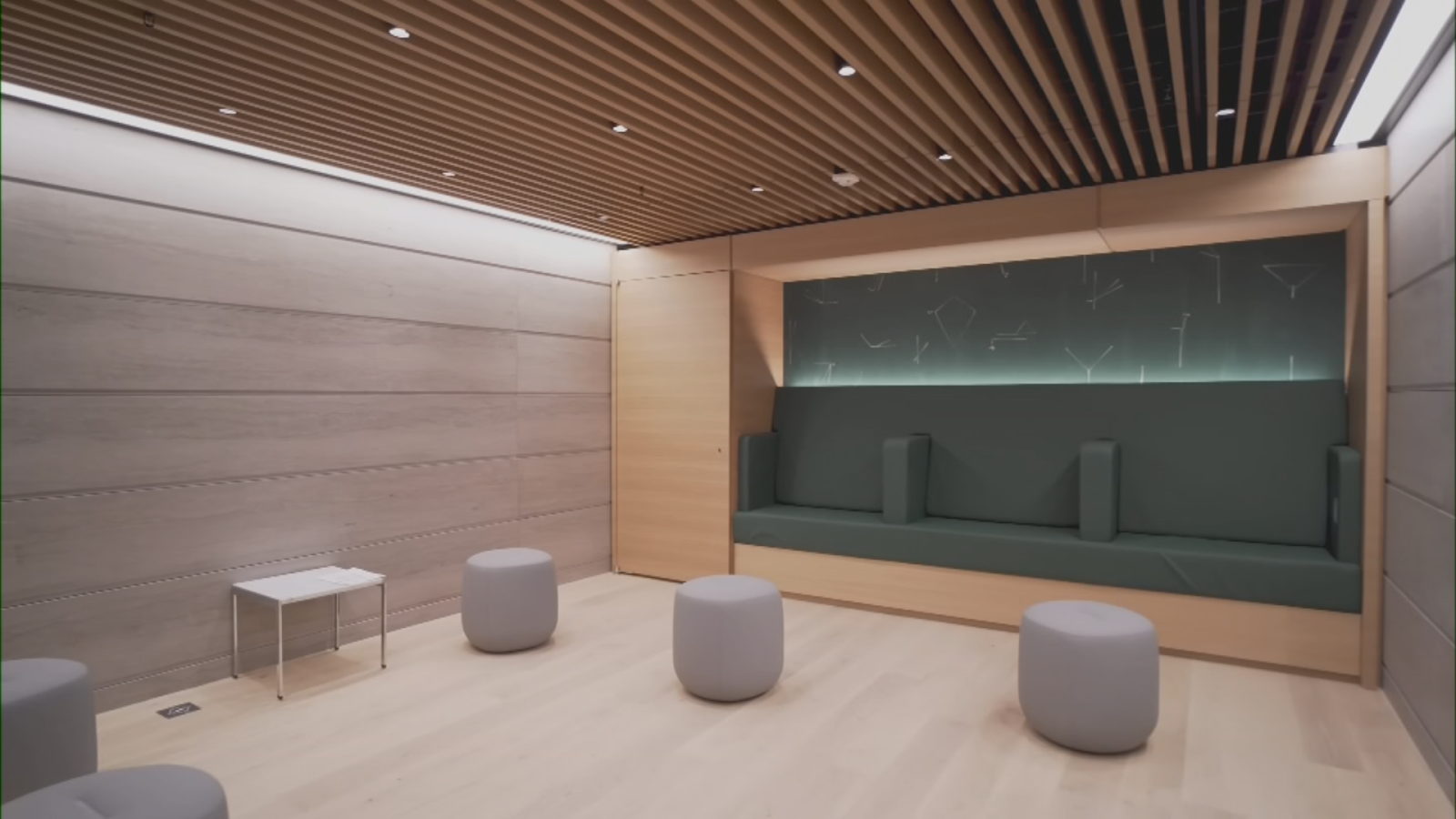
The museum specifically provides quiet/low-sensory break rooms and makes noise-canceling headphones available at the coat‐check.
Museums often have natural flow and fewer sudden loud noises, which can help a child self-regulate.
A calmer indoor environment means you can step out of more chaotic settings (like a busy shopping area) into one where things feel more manageable.
How to use it:
Keep a little “escape plan” in your mind: maybe you’re planning a museum visit anyway, so know in advance where the quiet room is.
When your child starts to become overwhelmed, say something like “Let’s go to the quiet room for a minute” and treat it as a positive safe space, not a punishment.
Bring your own small calming object (fidget toy, small blanket) to support your child while you are in the quiet space.
While this is an airport setting (so not always the first “outing” choice), the terminal has a Sensory Room designed for travellers who are neurodivergent, and a Quiet Room open 24/7.
The existence of these rooms means you can use this as a fallback even when travelling or during travel delays. It’s good to know for future outings or trips.
The family‐restrooms and nursing rooms with larger space and adjustable lighting also provide a fallback when you’re “out and about” and need somewhere to reset.
How to use it:
If you are at the airport (or planning to go), mark the location of the sensory/quiet rooms on your phone in advance.
Even if you’re not flying, the idea of “safe spot in a public building” applies: ask about quieter rooms in large venues.
Use the strategy of “we’ll go to our special room for a minute”, modeling that calming break can become part of your child’s self‐regulation toolkit.
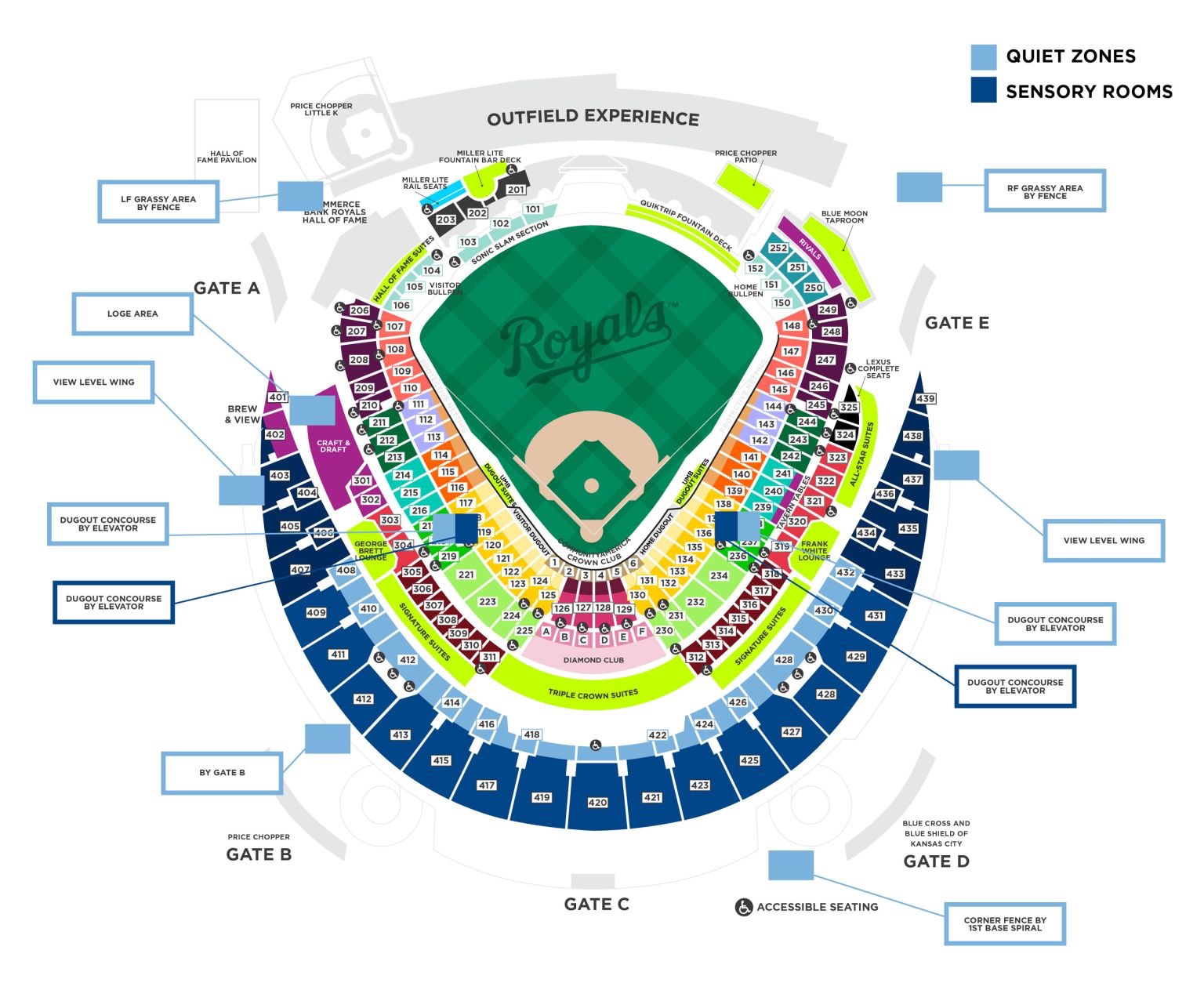
The Royals provide multiple “quiet zones” in the stadium. They also offer sensory bags for checkout (containing noise‐reduction headphones, verbal cue cards, weighted lap pads) for guests with autism or sensory sensitivities.
If your child is in a high‐stimulus environment (sporting event, big crowd), knowing there is a designated retreat zone reduces stress and gives you control.
It also signals to your child that their needs are legitimate: when a stadium provides a safe zone, it reinforces the message that taking a break is OK.
How to use it:
When buying tickets, ask about the quiet zone location and availability of sensory bags.
Upon entering, make a quick “map” of the stadium: locate the quiet zone and restrooms.
Before things escalate, you might say to your child: “If you feel tired or upset, we’ll go to our quiet zone for 5 minutes.” Having that pre‐plan helps avoid a last‐minute scramble.
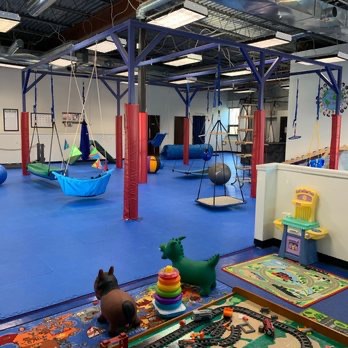
While the KC location is listed as “coming soon”, currently, the brand offers sensory-safe equipment and structured environments designed for children on the autism spectrum. They can play with their families on zip-lines, crash mats, swings, and sensory play.
This kind of space gives your child an opportunity for controlled “release” of energy, which can dramatically reduce acting-up when overstimulated.
It's also a place where you, as a parent, don’t feel like you’re the only one managing challenging behavior. You’re in a space designed for it.
How to use it:
Visit when possible, and identify how it helps your child before a high‐stress outing.
Use it as a “pre‐load” area: let your child expend energy in a safe environment so that when you move to other places, they’re calmer.
Make it part of your toolbox: if you sense build-up (restlessness, irritability), you might say: “Let’s go to the play-gym for 10 minutes to get our wiggles out.”
Why Having Multiple Safe Spots Matters
Flexibility: Behavior can be unpredictable, and having options means you’re not tied to just one fallback.
Preparation: Your child may feel more secure knowing there are established safe places, which can itself reduce anxiety.
Empowerment: When the message is consistent (“It’s okay to need a break and go to a safe space”), you’re modelling self-advocacy and emotional regulation.
Consistency with ABA principles: These spots act as external supports which align with the strategies taught in ABA therapy. They help children navigate their day with fewer meltdowns or challenging episodes.
Tips for Using Safe Spots Successfully
Pre-visit the spot (or at least prepare your child for it): show pictures, talk about what you’ll do there…
Bring a “go-kit”: a small bag with favorite fidget toy, headphones, visual cue cards (“I need a break”), maybe a small snack and water.
Use consistent language: “If you feel upset, we go to our safe spot and take 5 breaths,” so it becomes familiar.
Recognize early signs of overload: yawning, pacing, covering ears, agitation. Head to the safe spot early rather than waiting for a full meltdown.
Follow up positively: After using the spot, talk about how it helped. “Thank you for doing that break with me. I saw you calm down.” Encourage it as a positive coping skill.
Final Thoughts
When you’re in a moment of challenge with your child on the spectrum, the environment matters. By choosing and using safe spots like these around Kansas City, you’re giving both yourself and your child an important tool. It teaches how to navigate big feelings, overstimulation or acting-out moments with compassion. At Shining Steps ABA, we believe that behavior is communication and having a safe place to land is one of the strongest communication tools you can offer your child.
FAQ
Q: What is the best way to introduce a safe-spot to my child? A: Choose a time when your child is calm and say: “Here’s our spot we’ll use when you feel upset or overstimulated. We’ll go there together, take some deep breaths, use your fidget/turbo toy, and then decide what comes next.” Practice it once or twice so it becomes familiar.
Q: What if my child refuses to go to the safe spot when upset? A: That’s common. Escalation often means the child isn’t able to make the choice. You can gently guide them, saying “Let’s go together,” and stay with them. Over time, your consistent use will build familiarity and trust.
Q: Can the safe-spot be somewhere at home instead of out in public? A: Absolutely. Having a safe spot at home is essential. But the ideas above focus on public places because those moments often feel more chaotic and less controllable. Having safe spots both at home and in public gives you better coverage.
Q: How does this relate to ABA therapy? A: In ABA, we talk about antecedent (what happens before behavior) and setting events (environmental/contextual factors). A safe spot is a proactive modification to the setting event: it changes the environment to reduce stress, giving your child a more supportive setting and reducing the likelihood of challenging behavior.
Q: What if I’m in a place not on the list? How can I find a safe spot? A: Look around for quiet corners (library reading room, church lobby, family restroom), ask staff about “quiet rooms,” carry your go-kit, prepare a quick exit plan... Having a “course correction” strategy is more important than the perfect location.