Places in Kansas City to Avoid With Your Autistic Child
Published on
December 14, 2025


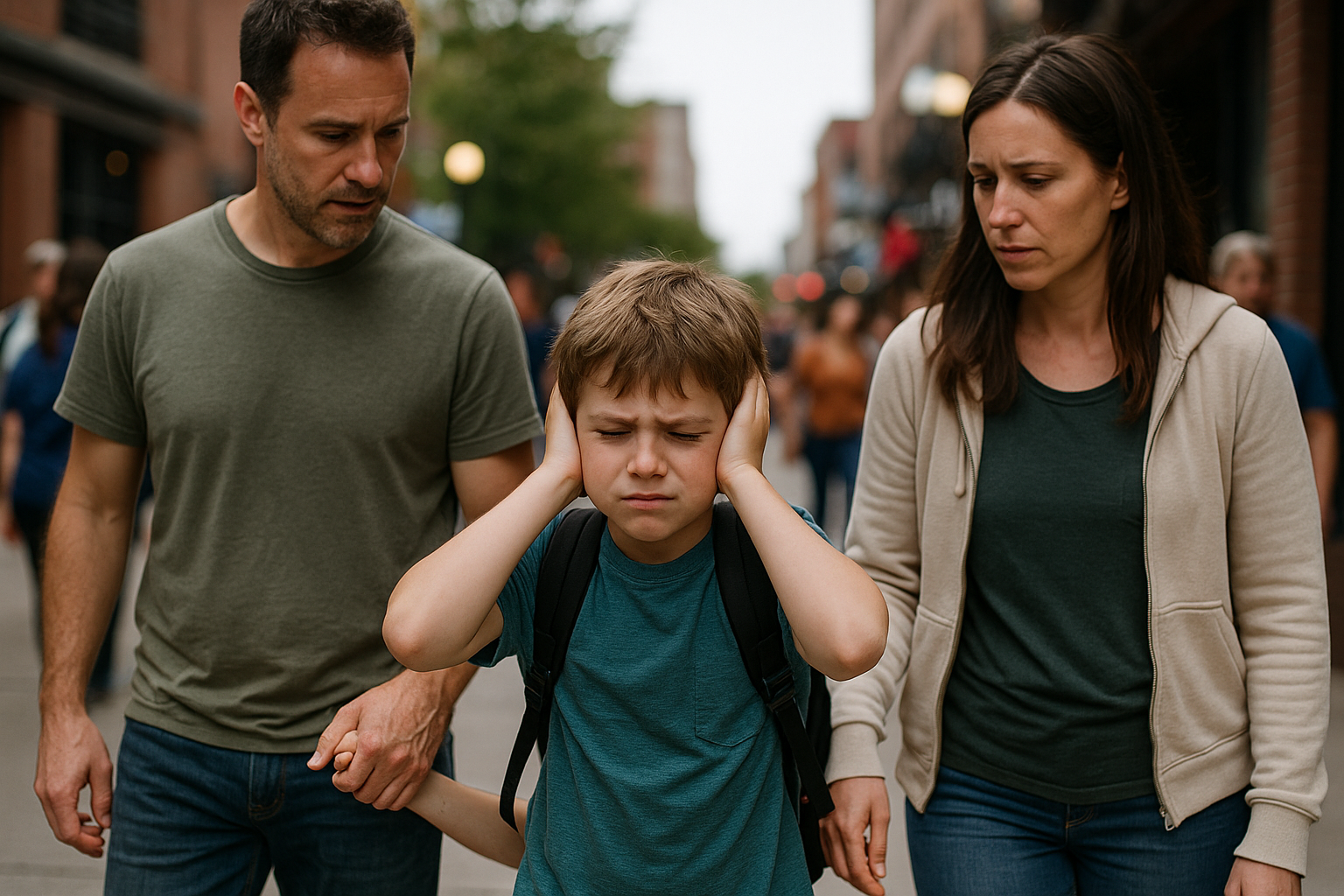
Summary: Certain highly stimulating or unpredictable environments in Kansas City may amplify sensory or behavioral challenges. Knowing what to avoid helps you plan outings with confidence.
When you’re out and about in the Kansas City area with a child on the autism spectrum, you’ve likely learned that environment matters more than the destination. Some places come with hidden stressors. Crowds, noise, or unpredictable movement can quickly lead to agitation and acting-out. While every child is different, here are several types of places around Kansas City you may want to avoid or plan carefully when your priority is calm, safety and regulation.
Attending a big game or major event at a stadium can seem thrilling, but for many children on the spectrum it can be overwhelming.
Outdoor festivals, busy farmers’ markets or open-air events often feel fun for many families. However, they come with several sensory risks:
“City Market farmers market can be overwhelming if you have any sensory or crowd issues.”
Tip: If visiting is important, aim for early morning when it’s less busy, bring your child’s “go-kit” (headphones, snack, visual card) and pre-walk the area to identify a quieter corner.
Why avoid outright: If you’re simply hoping for a low-stress outing, these settings put many variables out of your control. They are not the right fit when your child needs high predictability.
Indoor entertainment venues that seem like fun, such as arcade centers, large shopping malls or busy indoor play zones, can hide multiple triggers. They are filled with constant background noise, flashing lights, many moving people and limited escape routes.
Because your child may already be managing multiple sensory inputs, adding the unpredictability of large indoor entertainment spaces can be risky.
Tip: If you want to try this kind of venue, select one with less people, maybe during off-peak hours, and make sure to practice the visit beforehand (e.g., show photos, talk about the plan). This will help it feel less novel.
Why avoid for now: These environments can quickly escalate sensory and emotional overload if your child is not in the mood or beginning to fatigue.
A dinner out might feel like a treat, but you may want to reevaluate if you have an autistic child. Peak dinner service times in busy restaurants can be noisy, crowded, and fast-changing. Add live entertainment (e.g., dinner shows) and you multiply the variables: flashing lights, sudden changes, movement of performers, applause, even new smells.
For a child on the autism spectrum, predictability and personal space often matter more than novelty.
Tip: Choose quieter restaurants, ideally outside busy hours, with options for stepping outside or to a calm corner. Consider calling ahead to ask about quieter seating.
Why avoid when you’re unsure: The combination of sensory stimuli + social expectations + time pressure (e.g., expected to sit, eat, behave) can stress both child and parent.
Late-night districts, like bars with live music, busy streets with music, traffic and large crowds, are rarely ideal for a child needing regulation. These environments are filled with loud engines, music, unpredictable behavior from others, and flashing lights. One Kansas City report of a sideshow (illegal street racing gathering) described extreme noise and chaotic behavior.
While you’d probably avoid these anyway as a family outing, it’s worth remembering: if you’re somewhere unfamiliar and the environment shifts unexpectedly, it may be best to head for home or a known “safe-spot.”
Tip: When visiting nightlife districts, have an exit strategy and a defined “safe area” ahead of time.
Why avoid in general: These spaces introduce many uncontrolled variables and rely on your child being highly adaptable. It may not be realistic or fair on a given day.
One of the key strategies in supporting children on the autism spectrum is reducing uncertainty and giving them tools to regulate. When you choose or avoid certain places, you’re helping shape an environment where your child is less likely to be overwhelmed.
By avoiding high-risk environments on days when your child is already fatigued or stressed, you give yourself and your child a better chance of success. A challenging behavior is often communication: we’re responding not just to the act but to the context. At Shining Steps ABA, we teach that adjusting the environment can often prevent escalation before it begins.
When you choose outings intentionally, you model that you see your child’s needs, and then you plan accordingly. You don’t just “go and hope for the best”. That helps your child feel safe, and it helps you feel confident as a parent or caregiver.
Choosing where not to go is just as important as choosing where to go. In Kansas City, many wonderful places exist, but not all are suitable every time, for every child. On those days when regulation is your priority, steering clear of large stadium crowds, busy festivals, high-sensory indoor amusements, peak dinner rushes or unpredictable nightlife gives you both the chance to enjoy something more manageable and supportive.
Remember: having a family outing doesn’t mean choosing chaos—it means choosing connection, safety and success. If you do choose somewhere with more risk, go in with a plan: a backup safe-spot, a go-kit, visual supports, and clear communication. The goal is not perfection. It’s fewer surprises, more support, and more calm.
At Shining Steps ABA, we believe behavior is communication. Helping your child (and your family) thrive means proactively choosing environments that support, rather than strain, their regulation system.
Q: Does avoiding certain places mean my child misses out?
A: Not necessarily. It means you’re choosing the right place for now. You can revisit more challenging outings when your child is rested, prepared and ready. That way, it will turn those into positive experiences.
Q: What if the child really wants to go to a big event?
A: If you decide to go, prepare ahead: walk the route, bring noise-cancelling headphones, identify a quiet zone or exit plan, use visuals to show what will happen. Preparation helps.
Q: How do I decide if a place is “too much”?
A: Look for cues: will it involve many people, unpredictable noise, flashing lights, long waits or little personal space? If yes, you may want to wait for a lower-stimulus day.
Q: How does this tie into ABA therapy principles?
A: In ABA we talk about antecedents (what happens before a behavior) and setting events (contextual factors). By avoiding high-stress environments, you reduce antecedents that may trigger challenging behaviors, giving your child a more supportive setting.
Q: Are there tools I should carry when planning outings?
A: Yes. A “go-kit” with noise-reduction headphones, a visual cue card (“I need a break”), a small familiar toy or comfort object, and maybe a picture of a safe spot or exit plan. These tools help your child feel supported and understood.